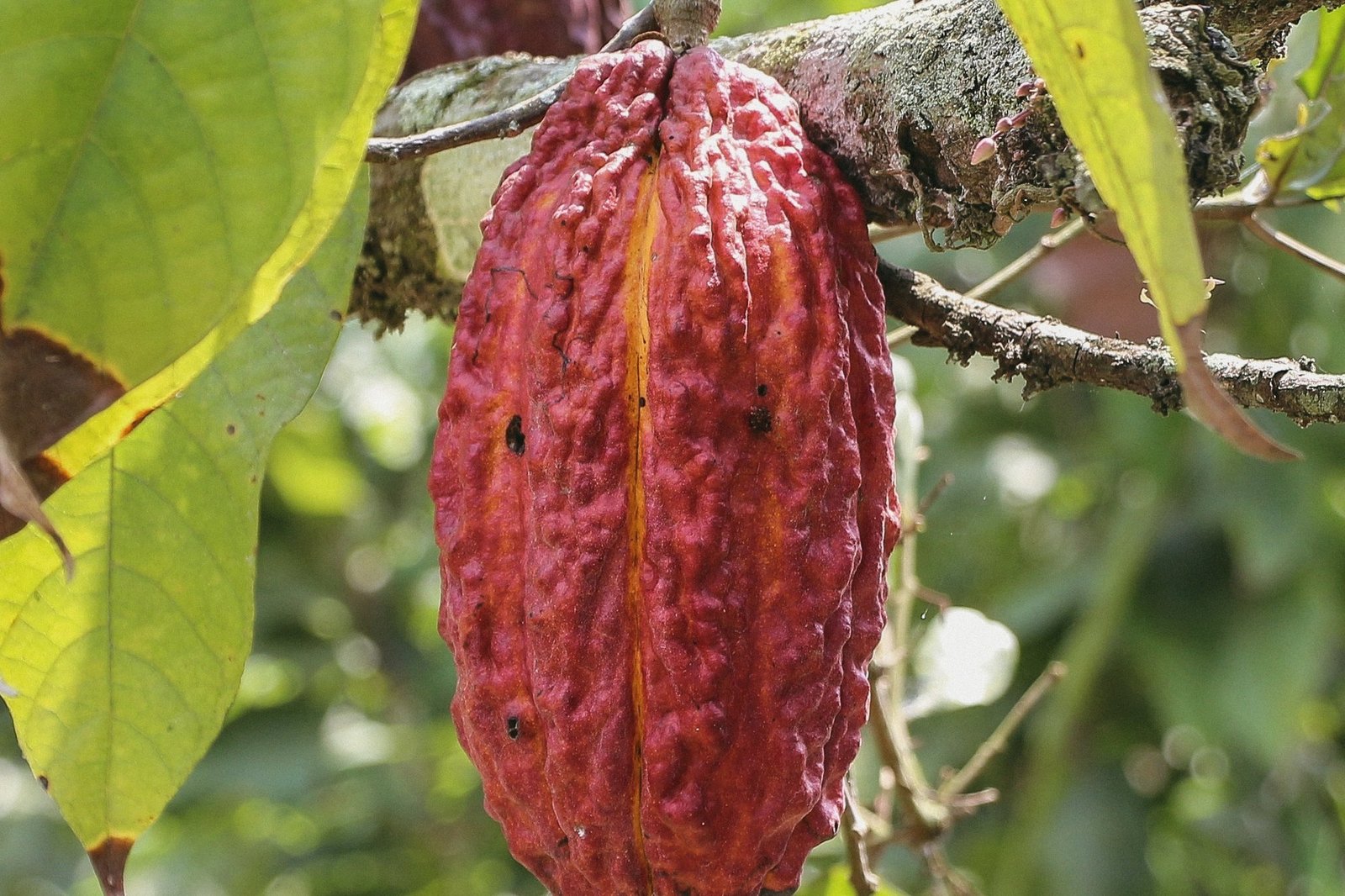
Ecuador grows some of the world’s most prized cacao fino de aroma — fine-aroma cacao — and you do not need a factory tour in Switzerland to taste it. You can stand under a cacao tree in the Chocó Andino west of Quito, break open a pod, and later the same week sit in La Floresta with a flight of single-origin bars.
Mid-November rain makes this an easy High Living weekend: less “summit or bust”, more “book a tasting and take a taxi when the sky opens”.
A clear line before we start: this is about flavour, craft and travel. We are not making health or medical claims about chocolate.
Why Ecuador’s cacao gets the fuss
Fine-aroma cacao is a quality class, not a tourist slogan. Ecuador has long been a leading exporter of these fragrant beans — the ones chocolate makers chase for floral and fruity notes rather than bulk filler. In the Chocó Andino of Pichincha (the cloud-forest belt that includes Mindo, San Miguel de Los Bancos, Pedro Vicente Maldonado and Puerto Quito), producers work old trees and clonal gardens at roughly latitude 0°.
El Comercio’s long-running route feature — still the clearest local explainer, originally published in 2019 and updated on the site in 2024 — quotes conservation voices describing about 2,000 cacao producers in the Pichincha Chocó Andino, trees more than a century old, and flavour notes that run toward fruit and flowers. Puerto Quito alone is described as holding a striking share of known cacao genotypes. Take the poetry as poetry; take the geography as your weekend map.
The Chocó Andino cacao route (rainy-day edition)
Think of three layers you can mix:
1. Mindo — closest chocolate classroom
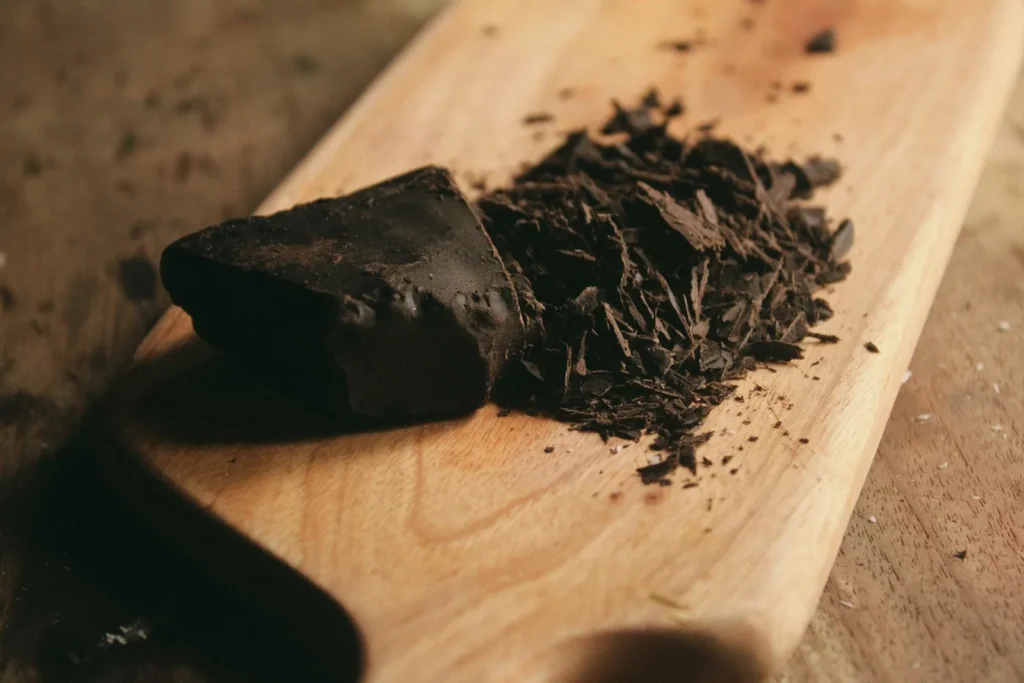
About two hours from Quito if traffic behaves. Small makers such as El Quetzal and Yumbo’s Chocolate (named in the El Comercio route piece) run short farm-to-bar style visits: pods, ferment, dry, roast, grind, taste. Published prices for 45–60 minute tastings / pairings in that report started around US$8 — almost certainly higher now, so call or message ahead. Pair with a waterfall walk only if the rain pauses; otherwise lean into the workshop and a hot chocolate.
2. Pedro Vicente Maldonado & San Miguel de Los Bancos — farms with space
Hosterías such as El Paraíso (again per that route feature) have offered cacao walks on CCN51 plantings, kids’ grinding sessions and overnight stays. Figures quoted then: experience about US$10, lodging from about US$45. Treat every number as historical and reconfirm — rural tourism prices move.
3. Puerto Quito — deeper into the genotypes
Farms like Chicao show visitors older trees and the story of how cacao moved through the Americas. Heirloom recognition projects have been mentioned for some stands; ask what is current. Mosquito repellent, sunscreen and shoes with grip are non-negotiable — trails get slick in November.
How to move: a rental car or private driver is the calm option if you want two farms in one day. Public buses reach Mindo easily; beyond that, connections thin and taxis add up. Book workshops before you leave Quito on weekends.
Bean-to-bar in Quito (no farm required)
When the highway west looks like a river, stay in the city.
Pacari — Casa de Experiencias, La Floresta. Pacari is one of Ecuador’s best-known fine cacao brands (organic, award-heavy, proudly bean-to-bar). Their La Floresta space offers personalised tastings and a café with city views — check the official page for current hours and whether you need a reservation. Factory experiences in the Pifo / Tababela area appear in travel write-ups; availability changes, so enquire directly rather than trusting a third-party brochure.
República del Cacao. Boutiques and workshop-style experiences in Quito (including historic-centre locations in past seasons) lean into Ecuadorian origin stories, tasting flights and make-your-own sessions. Confirm which shop is running workshops the week you go.
Other bars and cafés. Quito’s specialty coffee boom (see our Quito coffee guide) overlaps with chocolate: many third-wave cafés stock local fine bars. Ask for percentage and origin — “70% Manabí” tells you more than “dark chocolate”.
Gift tip: buy bars with a harvest or origin on the wrapper. They travel better than truffles in hot cars.
A simple tasting vocabulary (without the snobbery)
You do not need a sommelier script. Notice:
- Sweetness vs bitterness at different percentages
- Fruit (banana, berries, citrus) vs roast (coffee, toast, smoke)
- Texture — grainy rustic liquor vs silky conched bar
- Finish — does the flavour stop or hang around?
Spit or sip water between samples if you are tasting many. Save the giant mug of hot chocolate for afterwards.
A weekend sketch
Saturday: morning bus or car to Mindo; 11:00 chocolate workshop; late lunch; back to Quito before dark if the fog sits on the western cordillera.
Sunday: La Floresta tasting; walk the neighbourhood galleries; cook something simple at home with a high-percentage bar grated over fruit — High Living does not always mean a reservation.
Or flip it: city tasting Saturday night, farm Sunday if the forecast clears.
What we are hedging on purpose
- Prices. The US$8–10 tour figures come from the El Comercio route article’s published numbers, not a 2026 price list we could re-verify farm by farm on 5 November. Expect inflation and weekend premiums.
- “Oct 2026 El Comercio piece.” We looked for a new October 2026 Chocó Andino cacao route story and did not find one; the live page above is the 2019 feature (site-modified 2024). We cite what exists.
- Health. Chocolate is a pleasure food here, not a prescription.
Packing and etiquette
Cash for small farms, reusable water bottle, light rain jacket, insect repellent, curiosity. Ask before photographing workers. Buy something at the end of a free-looking tour if you enjoyed it — that is how these routes stay alive.
Fine cacao is one of Ecuador’s quiet luxuries. You can chase it up a muddy track in Puerto Quito or across a tasting counter in La Floresta. Either way, November rain is not an obstacle. It is the soundtrack.
Sources
- El Comercio, ‘El Chocó Andino de Pichincha tiene una atractiva ruta del cacao’ (published 12 Jul 2019; modified 6 Sep 2024; still the main EC route explainer): farm visits from ~USD 8 (45–60 min), El Paraíso ~USD 10, lodging from ~USD 45; Mindo: El Quetzal and Yumbo’s; Puerto Quito Chicao; ~2,000 cacao producers; fine aroma: https://www.elcomercio.com/tendencias/recorrido-choco-andino-ruta-cacao/
- El Comercio related, café y cacao latitud 0°: https://www.elcomercio.com/tendencias/turismo/cafe-cacao-latitud-cero-atraen/
- Pacari Casa de Experiencias – La Floresta (official): tastings / café in Quito: https://paccari.com/locales/paccari-casa-de-experiencias-la-floresta/
- Ministerio de Turismo, ‘Ecuador Tierra del Chocolate’ brochure note: https://www.turismo.gob.ec/ecuador-tierra-del-chocolate-un-folleto-que-te-permitira-descubrir-el-mejor-chocolate-del-continente/ (turismo.gob.ec unreachable from box on 5 Nov 2026)
- El Quetzal de Mindo chocolate tour (operator): http://www.elquetzaldemindo.com/ (operator site returned 500 from box on 5 Nov 2026; named in El Comercio route piece)
- Cover photo: PHOTO: “Theobroma cacao fruit (cropped)” BY BERNARD GAGNON / WIKIMEDIA COMMONS (CC BY-SA 3.0), EDITED