

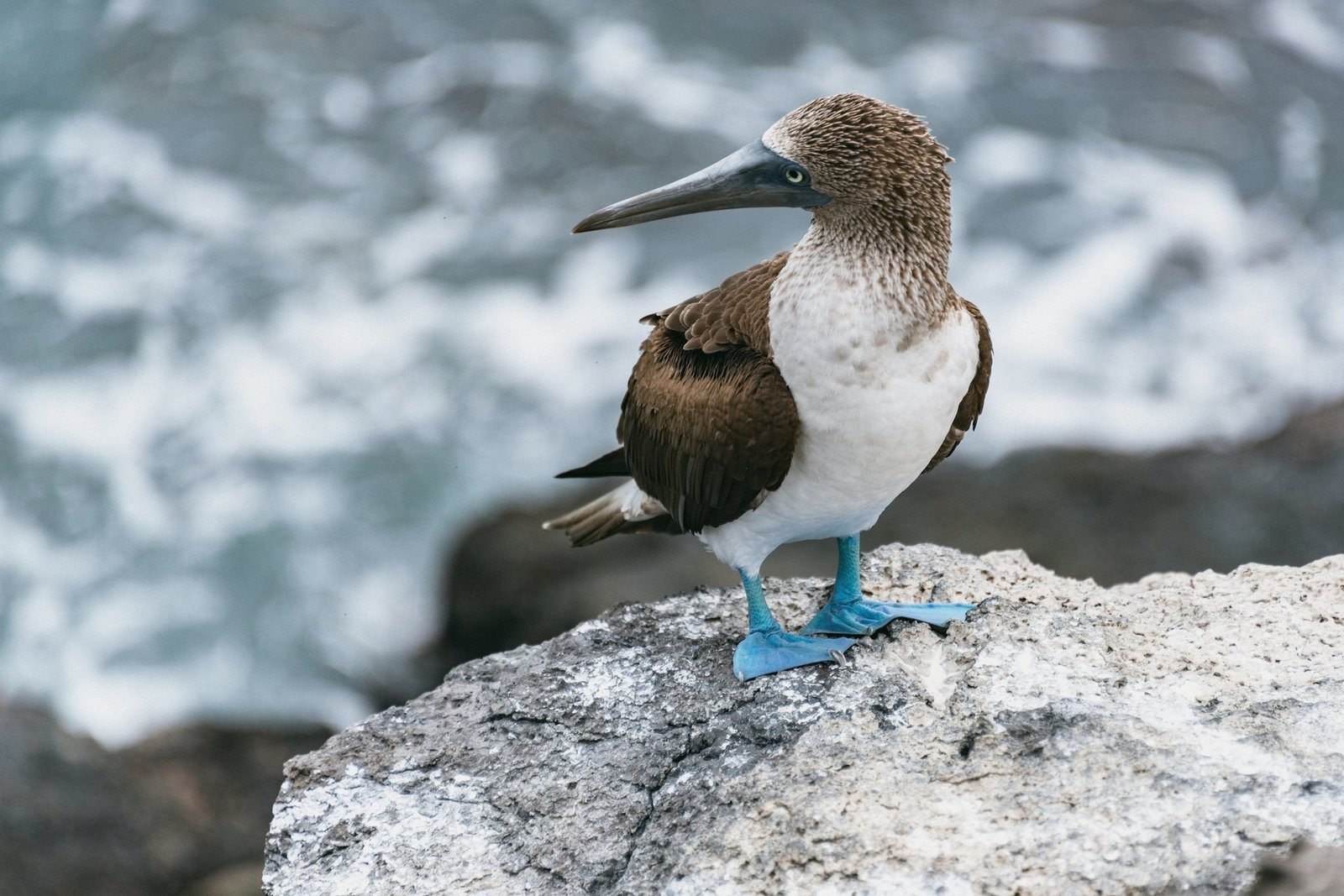
Galápagos is a dream, and a budget line. Isla de la Plata is the shortcut Ecuadorians have used for years. It’s an uninhabited, dry-forest island off Puerto López in southern Manabí, where seabirds nest so close to the path you’ll have to step around them. Locals call it the Galápagos de los pobres, “the poor man’s Galápagos.” That isn’t quite fair to either place, but it tells you what to expect.
Now is a good moment to go. The grey garúa months are ending, and from about December to April the coast tends to be sunnier and hotter, with warmer water and better visibility for snorkelling. The trade-off: no humpback whales. Whale season runs from roughly June to October.
The essentials
- Where: Parque Nacional Machalilla, created in 1979, protects the island, its waters and much of the coast around Puerto López.
- Distance: about 40 km offshore, according to operators. That’s roughly an hour or more by boat, depending on the sea and the boat.
- How: only with an authorised operator and guide. You can’t take your own boat or wander the island alone.
- Price: around USD 45 per person for a standard full-day tour. El Universo reported that figure in 2025, and operators were still listing it this November. Premium boats charge more (one listing shows USD 65).
- Time: about six to seven hours door to door.
Choosing an operator (this part matters)
Puerto López’s tourism sector told El Universo in 2025 that 19 registered operators run certified boats, and warned about illegal operators undercutting them. Book at an office on the malecón or through your hotel, and ask:
- Is the company registered, and is the guide certified for the park?
- Are there life jackets for everyone, and is snorkel gear included?
- What food is included? Many tours give you a simple box lunch and water.
- What’s the plan if the sea is too rough? (Good operators cancel rather than gamble.)
Bring cash. Smaller operators may not take cards, and there may be a small dock fee.
What a day on the island looks like
A typical tour leaves Puerto López around 09:30. The boat lands at Bahía Drake, a cove that nods to the island’s favourite legend: that the English privateer Francis Drake hid a haul of silver here in the 16th century. The likelier explanation for the name La Plata is less romantic. Seen from the sea, the guano-whitened cliffs shine like silver.
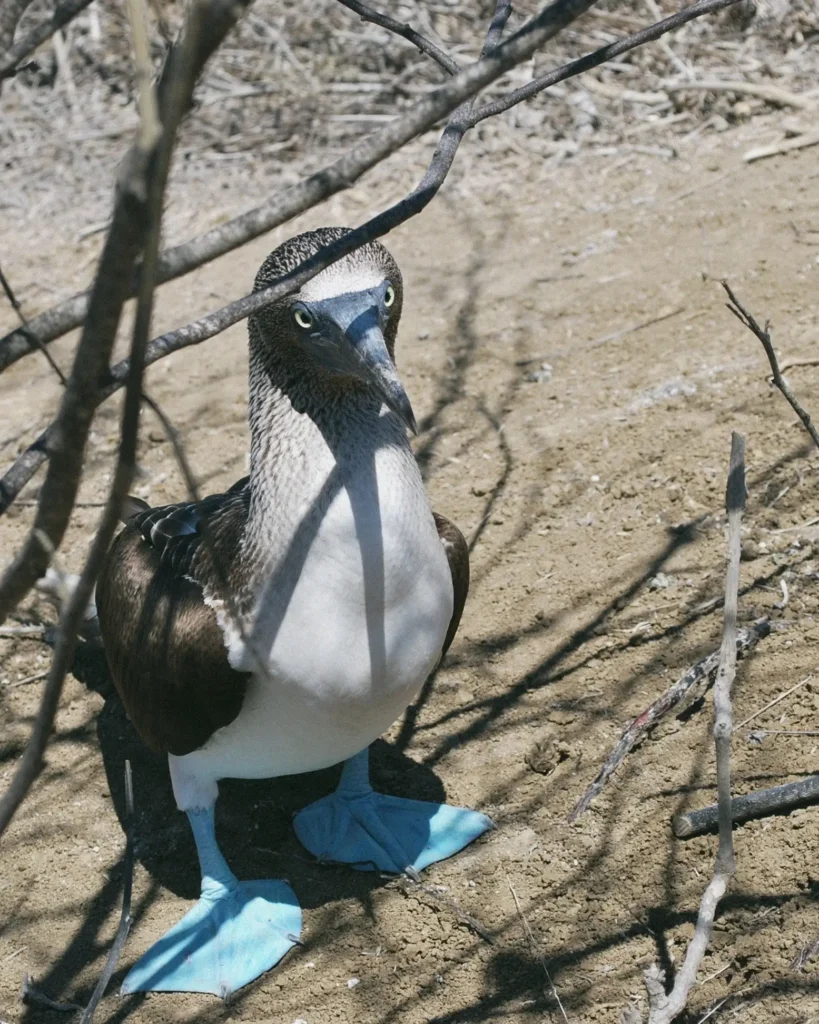
The walk (about 1.5–2 hours). Your guide picks one of the island’s marked loops through dry forest and up to clifftop viewpoints. The stars are the blue-footed boobies, which nest right on the ground beside the trail. You’ll usually also see Nazca boobies (white, with a dark mask) and magnificent frigatebirds riding the wind; in courtship season, the males inflate a red throat pouch. Stay on the path, keep your voice down and never touch or feed anything. The birds are calm because people have behaved.
The water. After lunch on the boat, most tours stop near the shore to watch sea turtles surface around the boat, then anchor for a snorkel among reef fish. You don’t need experience, just a life jacket if you’re not a confident swimmer. Use reef-safe sunscreen and don’t chase the turtles.
What to wear and bring: closed shoes for the rocky trail, a hat, high-SPF sunscreen, sunglasses, 1–2 litres of water, a light layer for the boat, a swimsuit and a towel. There’s no shade and there are no services on the trail.
Los Frailes: the beach that’s still wild
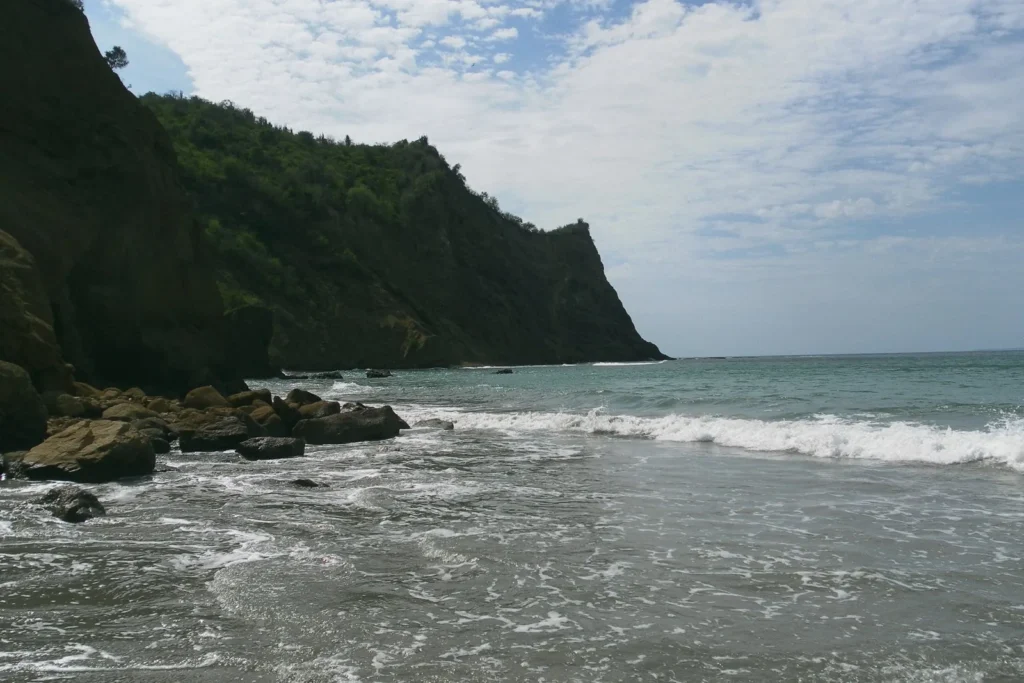
About 10–12 km north of Puerto López, inside the same national park, Playa Los Frailes is a long crescent of pale sand between dark cliffs, with no hotels, no bars and no loudspeakers. It’s often on lists of Ecuador’s best beaches, and it earns it.
- Entry is free, but it’s controlled. Bring your ID or passport; park rangers register visitors at the gate.
- Hours: local tourism sources give roughly 08:00 to 16:00–16:30, and rangers clear the beach late in the afternoon. The beach sometimes closes after heavy rain (it closed for mud in September 2026) or for maintenance, so check before you go.
- Getting there: a bus heading north will drop you at the gate, or take a mototaxi. From the gate, drive (parking was reported at about USD 2), take a mototaxi or walk.
- Do it the scenic way: a marked trail through dry forest links viewpoints and two smaller coves, La Tortuguita and La Playita, before dropping onto the main beach.
- No services on the sand. Take water, snacks and shade, and carry all your rubbish out.
Swim carefully. This is open Pacific, and there are no lifeguards to rely on.
Agua Blanca: the human story
Inland from Puerto López, the community of Agua Blanca looks after an archaeological site of the Manteño culture, with a small museum and a sulphurous lagoon where visitors float and cover themselves in mineral mud. Guided visits were about USD 5 in 2025. It’s a good half-day for a cloudy morning, and the money goes to the community.
Getting to Puerto López
- From Guayaquil: direct buses along the coast road take about 3.5–4 hours.
- From Manta: about 2–2.5 hours by bus down the Ruta del Spondylus.
- In town: mototaxis cost about USD 1 a ride.
- Sleeping: simple rooms started at about USD 20–25 in 2025, and there are boutique options too. December holidays fill up fast, so book ahead.
A two-day plan
Day 1: Arrive by early afternoon. Swim, then walk the malecón at sunset as the fishing boats come in. Day 2: Isla de la Plata tour (09:30–16:00), then grilled fish and an early night. Day 3 (optional): Los Frailes at opening time, Agua Blanca after lunch, then head south to the slow life in Ayampe, Olón and Montañita or north towards Manta and kitesurfing in Santa Marianita.
Surfers can link it with our guide to beginner surf towns.
Is it really “Galápagos”?
No, and that’s fine. Galápagos has a level of endemism and wildlife density nothing else matches, and if you can go, our Galápagos on a budget guide shows you how. But for the price of a nice dinner, Isla de la Plata gives you the same thrill of standing a metre from a nesting seabird that couldn’t care less about you.
Sea, sun and common sense
The crossing can be bumpy. If you get seasick, eat lightly, sit near the back of the boat and keep your eyes on the horizon. Ask a pharmacist or doctor about remedies; this isn’t medical advice. The equatorial sun is fierce even through cloud, so reapply sunscreen after every swim.
Prices, hours and conditions were checked on 19 November 2026 (ECT) and can change with the season or the sea. Confirm with your operator and the park before you go.
Sources
- El Universo (24 Jun 2025), ‘Temporada de ballenas jorobadas en Puerto López: cuánto cuesta ver a estos gigantes del mar’: full package with Isla de la Plata USD 45; rooms USD 20–25; mototaxi USD 1; whale season June–October; 19 registered operators with certified boats and a warning about illegal operators; Los Frailes and Agua Blanca: https://www.eluniverso.com/noticias/ecuador/puerto-lopez-2025-observa-ballenas-por-25-y-descubre-37-atractivos-turisticos-nota/
- Rosita Tours (operator listing, seen 19 Nov 2026), ‘Day Tour Isla de la Plata’: USD 45; ~6 h 30 min; departs ~09:30, ~1 h sailing; landing at Bahía Drake; guided walk; box lunch; sea turtle viewing and snorkelling; bilingual guides, snorkel gear, life jackets: https://www.rositatours.com/service-page/day-tour-isla-de-la-plata
- Ecuador Expeditions (operator listing): island about 40 km off Puerto López; premium promo USD 65: https://www.ecuadorexpeditions.com.ec/tour-a-isla-de-la-plata.html
- Viaja con Gus (travel guide, reviewed 16 Nov 2026), ‘Isla de la Plata’: access only with authorised operators and guides; blue-footed and Nazca boobies, frigatebirds; Dec–Apr sunnier with better snorkelling visibility, no whales; Machalilla created 1979; Guayaquil–Puerto López bus ~3.5–4 h (2025 prices); Agua Blanca ~USD 5 (2025): https://viajacongus.com/ecuador/isla-de-la-plata/
- Ministerio del Ambiente, Parque Nacional Machalilla page (created 26 Jul 1979, per search snippet; the page returned HTTP 500 to our fetch): https://www.ambiente.gob.ec/parque-nacional-machalilla/
- Viaja con Gus, history section: the Drake silver legend is popular tradition; the likelier origin of the name is the silvery shine of guano on the cliffs (same URL as above).
- Casas Ayampe (local accommodation guide, updated Oct 2026), ‘Los Frailes’: controlled entry with ID at the gate; roughly 08:00 to 16:00–16:30 per local tourism sources; parking about USD 2; occasional closures, including for mud in Sep 2026: https://casasayampe.com/los-frailes-playa-mas-hermosa-manabi.html
- Cover photo: PHOTO: “Blue Footed Booby Observing in Seaside” BY DIEGO F. PARRA / PEXELS (PEXELS LICENSE), EDITED