

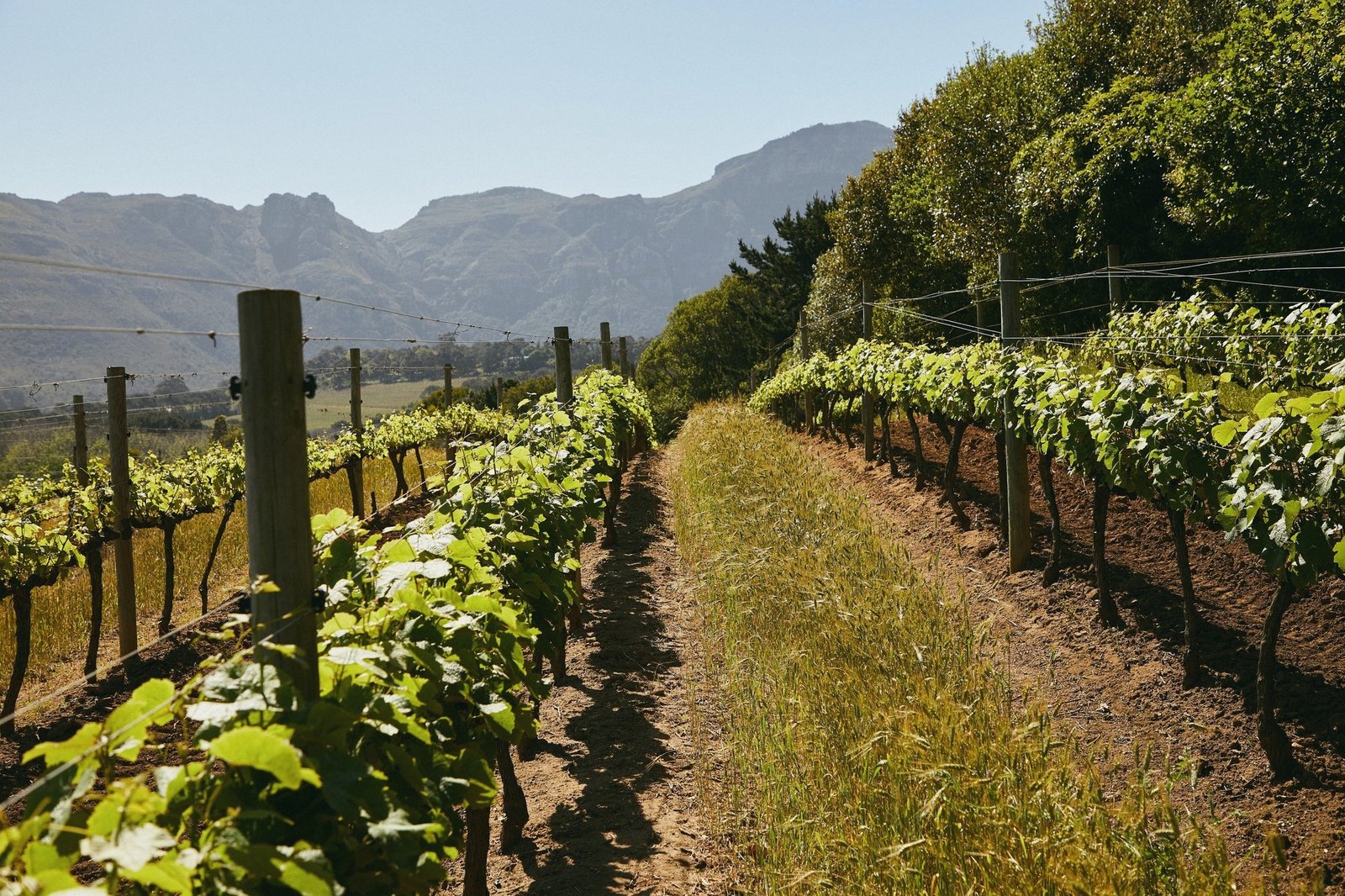
Ask a sommelier where wine grows and you will hear about a “wine belt”: roughly the 30th to 50th parallels, north and south, where vines get a proper winter to rest. Ecuador sits at latitude zero. Here there is no winter, only wet and dry seasons, and the sun rises and sets at about the same time all year.
And yet Ecuador makes wine. Not much of it (a 2020 Expreso report put Ecuadorian bottles at about 3% of the domestic market), but enough to make a very good day out, a strange and lovely tasting story, and a better gift than another bag of coffee.
This is our guide to the three wineries most often named in the press, what their tastings cost right now, and how to plan a visit this month.
Why equator wine is different
In classic wine regions, a vine sleeps through winter, wakes in spring and gives one harvest a year. Without that winter, an Ecuadorian vine never fully stops. Growers prune and manage it to force rest periods, and in some places they get two harvests a year (or even three, according to one Quito-area grower).
Each winery solves the problem differently:
- Altitude near Quito, where nights in the Andes get cold and days are bright.
- Chalky soils and sea breeze on the dry Guayas coast.
- Heat and big day–night swings in the far south near the Peruvian border.
The result is not “Bordeaux, but tropical.” It’s its own thing. Go in curious, not comparing.
Chaupi Estancia Winery (Yaruquí, Quito district)
Where: Yaruquí parish, about 10 minutes from Quito’s Mariscal Sucre airport, at roughly 2,400–2,450 metres and about 10 km from the equator line. The winery calls itself the only high-altitude vineyard in Ecuador.
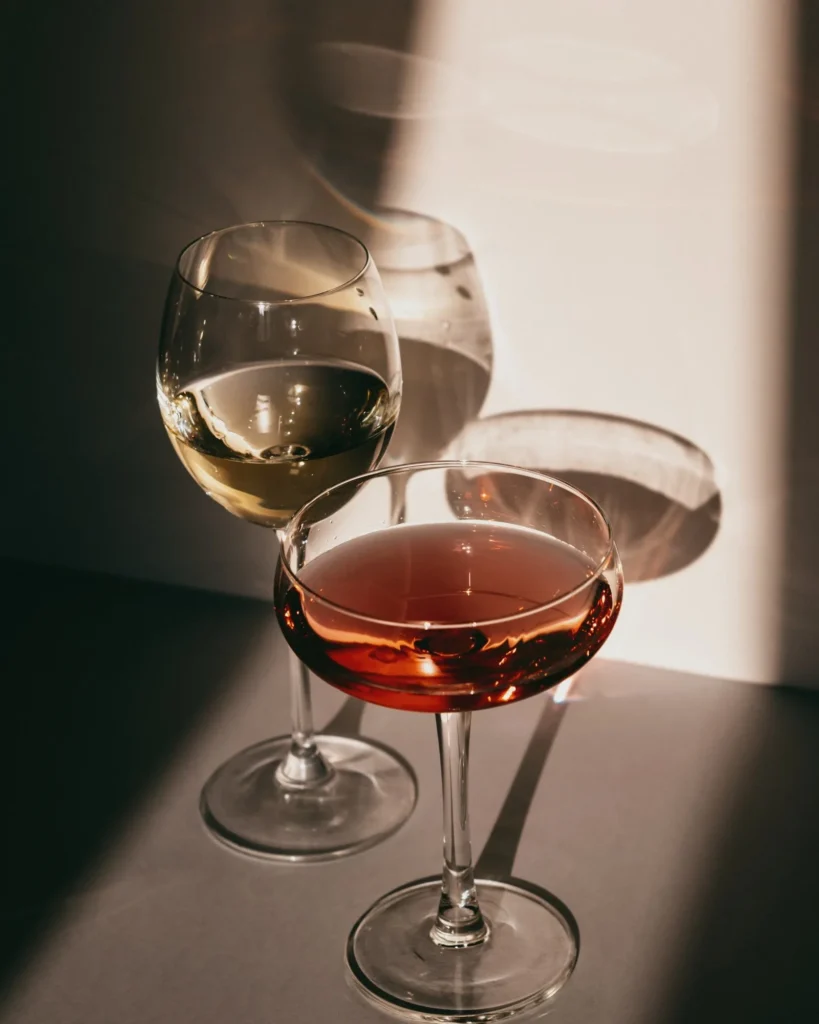
The story: A US businessman planted the vines around three decades ago, experimenting with more than 30 varieties to find what survived. After years of near-abandonment, sisters Daniela and Melissa Del Pozo (from a flower-growing family) reopened the estate in 2022, according to a 2025 Harper’s Bazaar Ecuador feature. Today it grows 11 varieties and makes tiny volumes, about 1,200–1,500 bottles a year. You’ll find a Palomino Fino white (the grape behind sherry, made here as a still wine) and a red blend.
What you can book (official prices, checked 12 November 2026, plus IVA):
- “Envuelve tus sentidos” (tasting and vineyard walk): USD 35 per person
- “Sinfonía de sabores” (pairing experience): USD 45 per person; book two weeks ahead
- “Entre copas y brasas” (live-fire cooking and wine): USD 110 per person, for groups of 12+ adults
All experiences are by reservation only. Your booking stays “pending” until you pay, so don’t just turn up at the gate.
Why go: It’s the easiest vineyard visit from Quito, and you can pair it with an airport run, a Tumbaco lunch or a long weekend out east. Ask about older vintages poured by the glass. The sisters told Harper’s they use a Coravin system, so you can try bottles that are no longer sold.
Bodega Dos Hemisferios (San Miguel del Morro, Guayas)
Where: Near Playas on the Guayas coast, at about 30 metres above sea level, on limestone soils with a constant sea breeze. It is the country’s best-known winery and by far its biggest producer.
The story: The family farm started with table grapes and turned to wine in the mid-2000s. Its first red, Paradoja (Cabernet Sauvignon and Malbec), came from the 2006 harvest and was named for the paradox of equator wine. The coast allows two harvests a year. One trade feature says the dry-season harvest (roughly October to January) tends to give the better grapes.
What you can book:
- Half-Day Tour Viñedo & Cata: USD 69 per person, Monday to Thursday, in two slots, 10:00–13:00 or 13:30–16:30. It includes a guided vineyard and winery walk, a snack board and a premium tasting. Booking is required, transport isn’t included and the tour depends on the weather.
City option: You don’t have to drive to the vineyard. Dos Hemisferios runs City Winery venues in Guayaquil (Av. Las Lomas) and Samborondón (Batán Town Center), with tastings and food pairings. This is the easy choice if you’re passing through Guayaquil on your way to the beach now that coast season is starting.
Viña del Guayacán (Zapotillo, Loja)
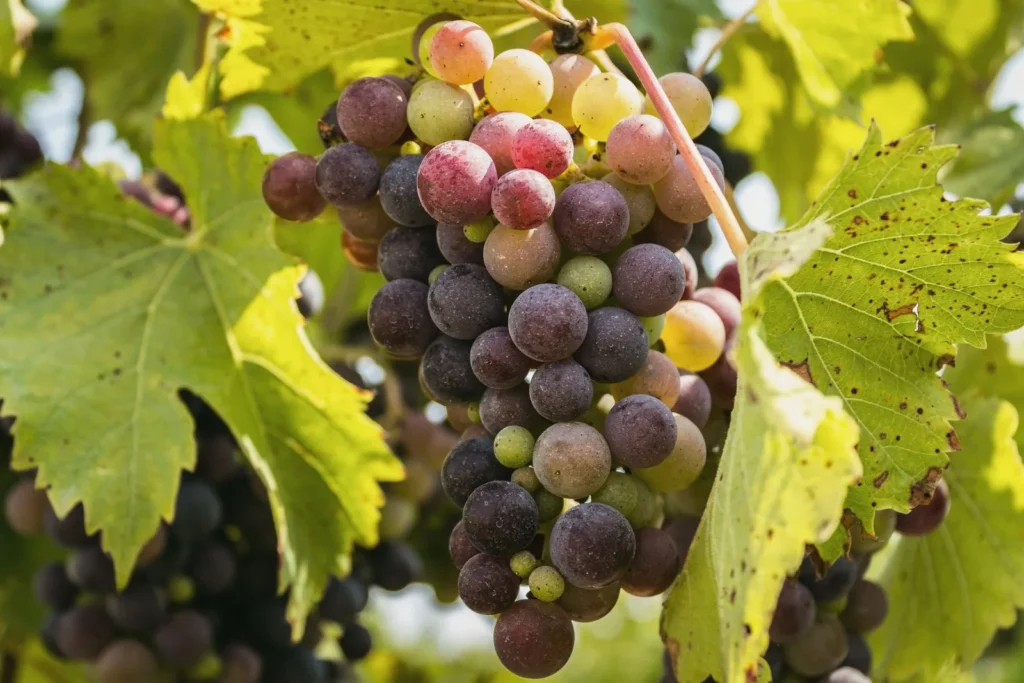
The youngest of the three. It was founded in 2017 in Zapotillo, in southern Loja near the Peruvian border, at about 325 metres. It’s named after the guayacán trees that turn the dry forest yellow when they bloom. It makes small lots of Cabernet Sauvignon and Chardonnay. Older press coverage says it offers guided visits, but its old web address didn’t load when we checked. Contact them before you travel; don’t count on a walk-in tasting.
Mortiño and other “wines”
You’ll also see fruit wines on Ecuadorian shelves, notably mortiño (an Andean wild blueberry) from small family producers. They’re fun and very local, but they aren’t grape wine. Treat them as a separate tasting category, closer to Ecuador’s long tradition of fermented fruit drinks.
Plan around ley seca (27–30 November)
Ecuador votes in local elections on Sunday 29 November. As with every national vote, a ley seca (dry law) applies: no sale, distribution or consumption of alcohol from Friday 27 November at 12:00 until Monday 30 November at 12:00, nationwide. The fine reported for 2026 is USD 241.
In practice:
- Don’t book a tasting from Friday afternoon 27 November to Monday morning 30 November. Expect wineries to cancel or move bookings.
- If you want a bottle for that weekend’s dinner, buy it before Friday noon. Even then, the law covers consumption too, so keep it for Monday evening.
- The week of 16–20 November and the days after 30 November are the sweet spot. Many Quito residents also get a long weekend for Fiestas de Quito (Monday 7 December is the moved local holiday).
How to do it well
- Book ahead, always. Every experience listed here is by reservation.
- Don’t drive after tasting. Hire a driver or book a transfer. Yaruquí’s roads are winding, and Ecuador treats drink-driving as a serious offence.
- Go hungry. Both main wineries pair food with their tastings. On the coast, go early before the midday heat.
- Bring cash and a card. Prices are quoted plus IVA at Chaupi, so budget for the tax.
- Buy a bottle as a gift. Expreso’s 2020 report put Chaupi’s output at a few thousand bottles, and Harper’s in 2025 at about 1,500. Either way, its bottles are rarely seen outside the Quito area.
Make a day of it
From Quito, a Yaruquí tasting pairs well with a long lunch in Tumbaco or Puembo, or an evening back in the city following our guide to the art of the rooftop sundown. If you’re building a slow Andean weekend, add Papallacta’s hot springs the next day. Coffee lovers should read Quito’s coffee moment, and our fine-cacao guide is the third leg of the “Ecuador in a glass and a bar” tour.
The Night Garden verdict
Ecuadorian wine isn’t trying to beat Mendoza. It’s a small, stubborn, slightly unbelievable story: vines that never get a winter, grown by families who kept going when the textbooks said no. Book the tasting, ask the awkward questions, and bring home a bottle almost nobody abroad has tried. (Just open it before Friday the 27th at noon, or after Monday the 30th.)
Adults 18+ only. Enjoy wine responsibly. This article is not sponsored; prices are as published by the wineries on 12 November 2026 and may change.
Sources
- Chaupi Estancia Winery (official): ‘the only high-altitude vineyard in Ecuador’, ~10 km from the equator line, 2,450 m; address Yaruquí: https://chaupiestanciawinery.com/
- Chaupi Estancia, ‘Envuelve tus sentidos’ tasting + vineyard tour, USD 35 + IVA per person, advance booking: https://chaupiestanciawinery.com/services/envuelve-tus-sentidos/
- Chaupi Estancia, ‘Sinfonía de sabores’ pairing, USD 45 + IVA, book two weeks ahead: https://chaupiestanciawinery.com/services/sinfonia-de-sabores/
- Chaupi Estancia, ‘Entre copas y brasas’, USD 110 + IVA, groups of 12+ adults: https://chaupiestanciawinery.com/services/entre-copas-y-brasas/
- Harper’s Bazaar Ecuador (23 Nov 2025): Chaupi 10 min from Quito airport; Del Pozo sisters reopened it in 2022; 11 grape varieties; 1,200–1,500 bottles a year; Palomino Fino white and ‘Fragolino’ red blend; two or three harvests a year: https://www.harpersbazaar.com.ec/viajes-gastronomia/el-vinedo-desafia-altitud-reinventa-vino-ecuador-n400
- Bodega Dos Hemisferios, Half Day Tour Viñedo & Cata: USD 69 per person, Mon–Thu, 10:00–13:00 or 13:30–16:30, booking required, transport not included: https://doshemisferios.com/products/visita-a-vinedo-half-day
- Bodega Dos Hemisferios, vineyard in San Miguel del Morro, Guayas; City Winery locations in Guayaquil (Av. Las Lomas) and Samborondón (Batán Town Center): https://doshemisferios.com/collections/vinedo and https://doshemisferios.com/pages/nuestros-locales
- Primicias (16 Apr 2022), ‘Tres viñedos en la mitad del mundo’: Chaupi, Dos Hemisferios, Viña del Guayacán; Paradoja from 2006 harvest; two harvests a year on the coast: https://www.primicias.ec/noticias/el-chat/tres-vinedos-mitad-mundo-vinos-ecuador/
- BKWine Magazine (6 Apr 2023), ‘Against All Odds – Wines and Wineries in Ecuador’: Viña del Guayacán founded 2017 in Zapotillo (~325 m); Dos Hemisferios harvests June–July and Oct–Jan: https://www.bkwine.com/features/wine-regions/wineries-in-ecuador/
- Expreso (27 Sep 2020): Ecuadorian wine ~3.2% of the domestic market; Dos Hemisferios the largest producer (more than 80% of national output); Chaupi ~5,000 bottles then: https://www.expreso.ec/actualidad/economia/vinos-nacionales-apuestan-local-90784.html
- Buen Gusto Ecuador, Viña del Guayacán feature: https://buengusto.com.ec/el-alma-resiliente-de-zapotillo-embotellada-en-vinos-ecuatorianos/
- El Telégrafo (Nov 2026): ley seca Fri 27 Nov 12:00 to Mon 30 Nov 12:00, fine USD 241: https://www.eltelegrafo.com.ec/noticias/elecciones-seccionales-2026/241/ley-seca-en-ecuador-cuando-empieza-y-de-cuanto-es-la-multa-por-las-elecciones-de-noviembre-de-2026
- Cover photo: PHOTO: “Vineyard Plantations in Countryside” BY LAKER / PEXELS (PEXELS LICENSE), EDITED