

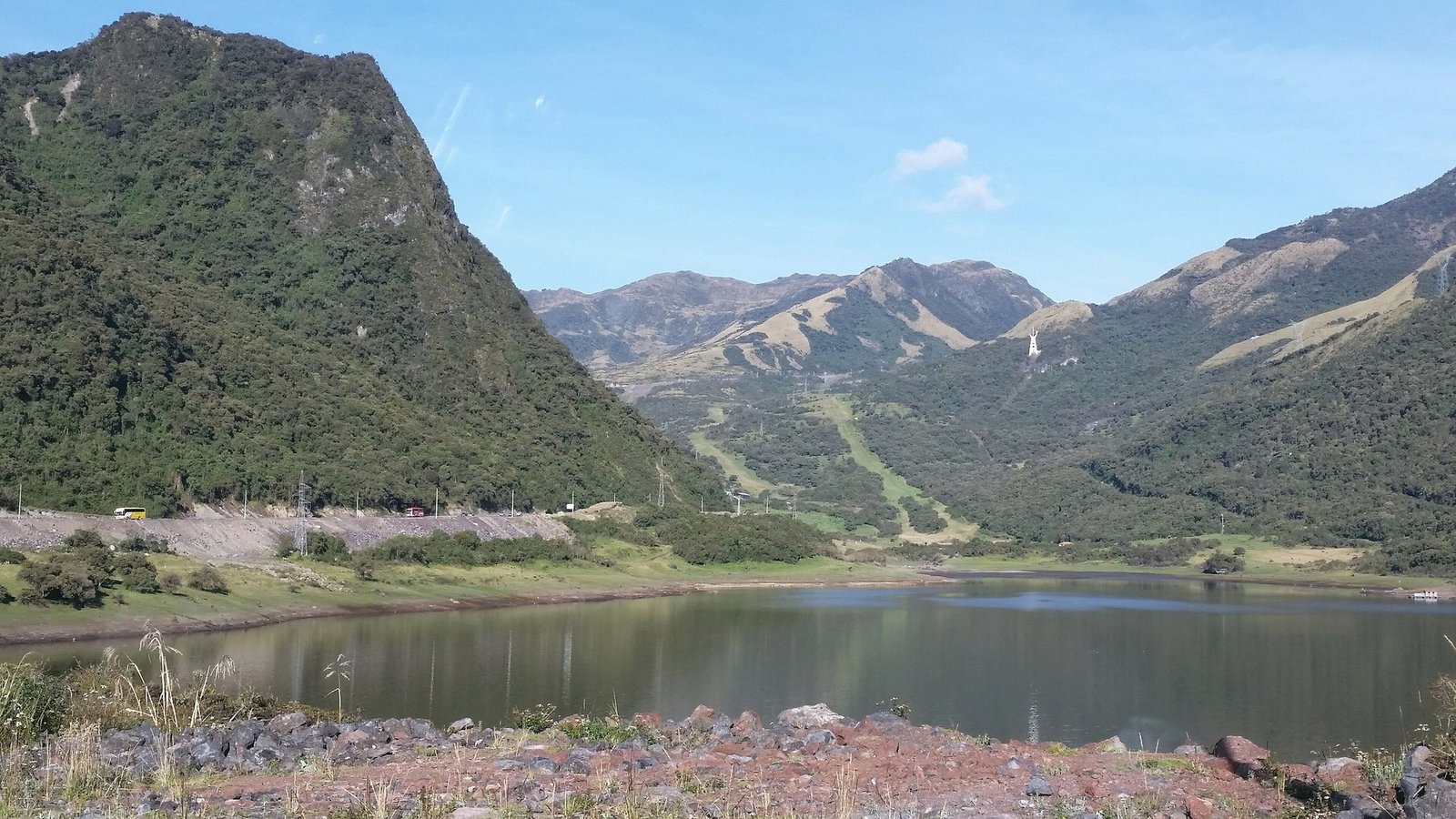
There’s a moment at Papallacta that makes the whole trip worth it. You’ve been in the water for twenty minutes, the drizzle has stopped, and the cloud that sat on the hills all afternoon starts to tear open. The air on your face is cold enough to see your breath. Everything below the waterline is the temperature of a very good bath. Nobody is talking much.
That’s the High Living version of a Sunday: no rooftop, no cocktail list, just hot water coming out of a volcanic mountainside about 65 kilometres east of Quito. Here’s how to do it well.
What Papallacta actually is
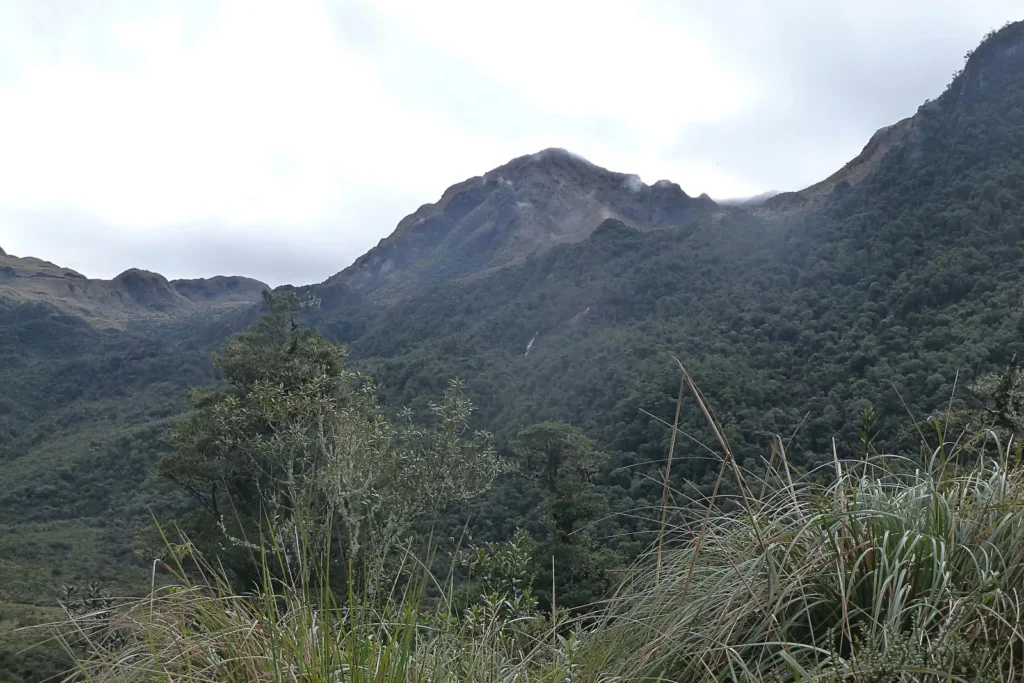
Papallacta is a small parish in Napo province, on the road that climbs out of Quito, crosses the eastern cordillera and drops towards Baeza and the Amazon. The village sits at roughly 3,300 metres, surrounded by páramo and the edges of Cayambe-Coca National Park. The name is usually translated from Kichwa as something like “land of potatoes”.
The reason people come is underground. Geothermal water surfaces all over the valley, and over the years it has been channelled into everything from a full resort with a spa to simple municipal pools that cost a few dollars.
A note before we go on: you’ll see a lot of marketing about the “medicinal properties” of the water. We’re not going to make health claims. Soaking in hot water in cold mountain air feels wonderful, and that’s reason enough.
Option 1: Termas de Papallacta (the classic)
The best-known complex is Termas de Papallacta, at kilometre 65 of the Quito–Baeza road, uphill from the village. It has two areas you can pay for separately.
The Balneario (day pools). This is what most people mean by “going to Papallacta”. The resort lists 10 thermal pools of different sizes and temperatures, plus 3 cold spring-water pools for the brave.
- Adults: US$10.50
- Children 3–11 and older adults: US$5.25
- Under-3s: free
- Pools open 06:00 to 21:00, and the complex closes at 22:30
- Towel rental: US$1, with a US$5 deposit per item
The Spa pools. Quieter and more expensive, with five thermal pools fitted with water jets and air bubbles, plus one “polar” cold pool.
- Adults: US$25 (US$17 if you’re staying at the hotel)
- Open Monday to Thursday 09:00–21:00, and Friday to Sunday and holidays 08:30–22:30
- A swim cap is compulsory. Bring one or buy one there
Staying over. Room rates are per room, per night, and include a buffet breakfast and access to guest-only pools. Spa entry and treatments cost extra. The resort recommends booking at least a week ahead, and 15 days ahead for national holidays.
Prices as published on the official website on 29 October 2026. Check before you go.
Option 2: the cheaper local pools
If you want the water without the resort, Papallacta has simpler options.
- Termas Santa Catalina, the municipal complex in the village, is the budget choice, with published entry prices of just a few dollars. Expect basic changing rooms and a lot of local families at weekends.
- Termas Jamanco, on the road up to the main resort, sits between the two in price and style.
Facilities and hours at smaller places change more often, so confirm on their own channels or ask in the village.
Getting there from Quito
By bus. Buses heading for Tena, Coca or Lago Agrio leave from the Quitumbe terminal in the south of Quito and pass Papallacta. Tell the ticket office and the driver’s assistant that you’re getting off at Papallacta. Travel blogs updated this year put the ride at about 2 to 2.5 hours and the fare at roughly US$3–4, but confirm at the counter. If you’re staying in the north, the Metro to Quitumbe is the fastest way across the city.
From the north you can also take a green bus from the Río Coca station to Cumbayá and catch an Amazon-bound bus there. It’s quicker on paper, but you’ll be flagging buses down at the roadside.
The bus drops you at the junction on the main road. From there a taxi up to the resort costs a couple of dollars, or it’s a steep 45-minute walk.
By car. It’s around an hour from eastern Quito in good traffic, on a mountain road that’s often wet and foggy. Check the road status with ECU 911 or the Transport Ministry before leaving, especially in the rainy months.
How to do it well
Go late, not early. Day-trippers fill the pools around midday. Arrive mid-afternoon, soak through sunset and catch the last light on the hills. If you’re staying over, the pools at night are the real reason to book a room.
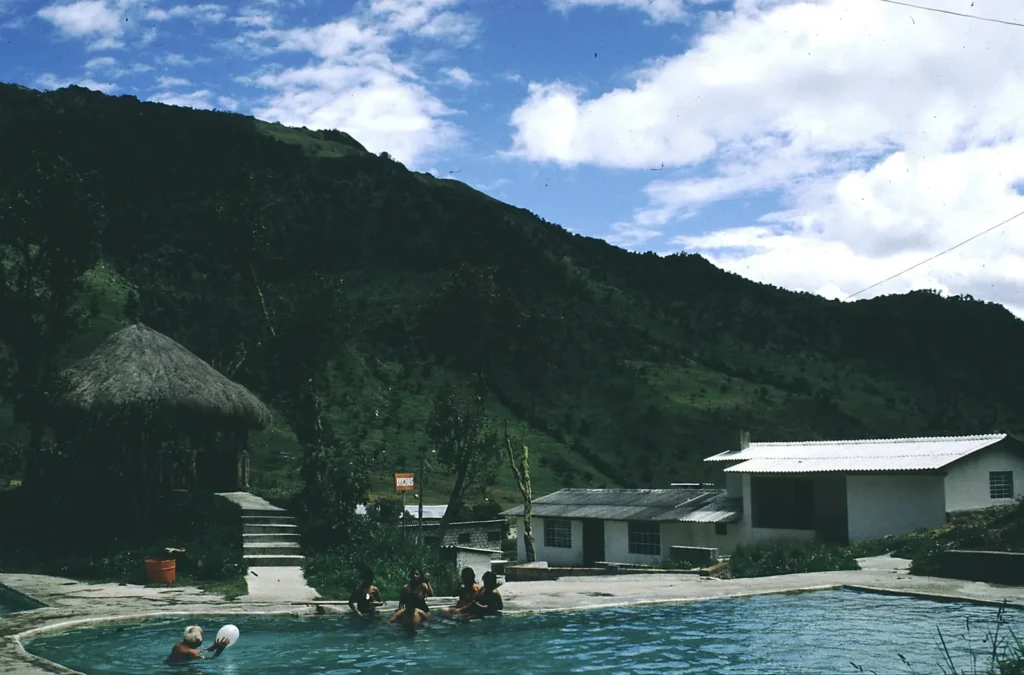
Go midweek if you can. Weekends and holidays get crowded. A Tuesday afternoon is a different place.
Pack for two climates. Warm water, cold everything else. Bring a swimsuit, flip-flops, a warm jacket, a hat and dry layers for afterwards. A waterproof bag for your phone helps.
Move between temperatures slowly. Start in a cooler pool, work up to the hottest, and try the cold plunge only if you feel good. Get out and sit down if you feel dizzy, light-headed or overheated.
Mind the altitude. You’re at around 3,300 metres. If you’ve just arrived from the coast or abroad, the CDC’s general advice for high places applies: take it easy and avoid alcohol and heavy exercise for the first 48 hours. Hot water plus altitude plus a couple of beers is a combination that catches people out. If you’re pregnant or have a heart or blood-pressure condition, check with a health professional before using hot pools.
Respect the shared space. Shower before getting in, keep your voice down in the quieter pools, and don’t bring glass anywhere near the water.
Make it a ritual
The best Papallacta trips are slow. Get on the road after lunch. Walk for an hour on a marked trail on the páramo, if the weather allows, and stay on the path because the vegetation recovers slowly. Then soak until dark, and drive or ride back with the heater on and your hair still damp.
At home the next morning, keep the feeling going: a dawn cup of guayusa, a blanket and a home corner that slows you down. If you’re more of a sundown person, it’s the mountain cousin of the art of the rooftop sundown. And if you love the cold, wet magic of high Andean grassland, add Cajas National Park to your list.
Papallacta isn’t a secret. But done slowly, on a weekday, at dusk, it still feels like one.
Checked on 29 October 2026. Prices, hours and road conditions change. Confirm with the venue and official road-status channels before you go. General information, not medical advice.
Sources
Prices and hours checked on the official Termas de Papallacta website on 29 October 2026. They can change, especially on holidays. General information, not medical advice: if you are pregnant or have a heart or blood-pressure condition, ask a health professional before using hot pools at altitude.
- Termas de Papallacta, ‘Balneario’ (day-pool prices, hours, number of pools): https://www.termaspapallacta.com/balneario/
- Termas de Papallacta, ‘Spa’ (spa pool prices, hours, swim-cap rule): https://www.termaspapallacta.com/spa/
- Termas de Papallacta, ‘Preguntas frecuentes’ (booking ahead, what lodging includes): https://www.termaspapallacta.com/preguntas-frecuentes/
- Termas de Papallacta, ‘Transporte’ (location: km 65 on the Quito–Baeza road): https://www.termaspapallacta.com/transporte/
- Cultures Traveled, ‘How to Visit Papallacta Hot Springs From Quito’ (bus from Quitumbe, fares and times): https://culturestraveled.com/papallacta-hot-springs-quito/
- The Bamboo Traveler, ‘How to Get to the Papallacta Hot Springs’ (Río Coca and Cumbayá route): https://thebambootraveler.com/papallacta-hot-springs/
- Amazonia Explorer, ‘Termas Santa Catalina Papallacta’ (municipal pools): https://amazoniaexplorer.com/turismo/termas-santa-catalina-papallacta
- Termas Jamanco (official site): https://www.terjamanco.com/
- CDC Yellow Book, ‘High-Altitude Travel and Altitude Illness’ (2026 edition): https://www.cdc.gov/yellow-book/hcp/environmental-hazards-risks/high-altitude-travel-and-altitude-illness.html
- Cover photo: PHOTO: “Laguna de Papallacta” BY DAVID C. S. / WIKIMEDIA COMMONS (CC BY-SA 4.0), EDITED