

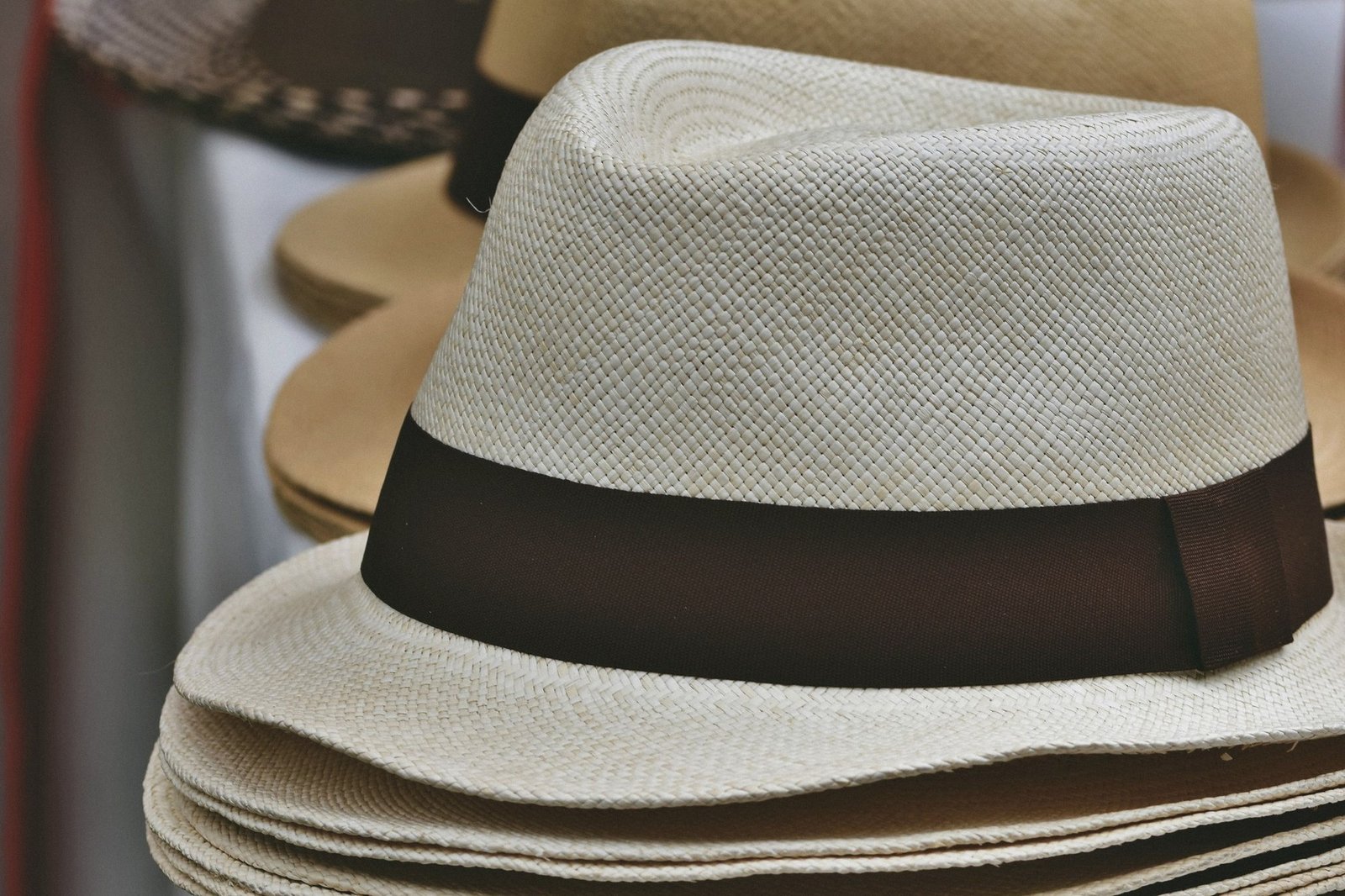
Ask anyone outside Latin America where Panama hats come from and they’ll say Panama. They’re wrong, and Ecuadorians have been politely correcting them for well over a century. The light, breathable hat that ended up on presidents, film stars and every linen-suited traveller is woven by hand in Ecuador from the fibre of the toquilla palm. In 2012, UNESCO added the traditional weaving of the Ecuadorian toquilla straw hat to its list of the Intangible Cultural Heritage of Humanity.
If you’re looking for one gift this December that’s light to carry, made here and actually means something, this is it. Just don’t buy the first hat a stranger hands you.
Why everyone calls it a “Panama”
The usual explanation is trade geography: in the 19th century, many of Ecuador’s hats were shipped and sold through the isthmus of Panama, a crossroads for goods and travellers, so the name stuck to the place of sale rather than the place of making. Then came the photo op. In November 1906, President Theodore Roosevelt was photographed in the Panama Canal Zone wearing a pale straw hat. According to the White House Historical Association, that image helped make the “Panama” even more fashionable. The same source notes plainly that the hat’s origins are in Ecuador.
How a toquilla hat is made
UNESCO’s description of the craft reads like a slow-food recipe. Coastal farmers grow the palm and harvest the young stems. The fibre is separated from the green skin, boiled to remove the chlorophyll, dried, and then bleached with sulfur smoke over a wood fire. Only then does a weaver start the crown, working outward in tight rings, before the brim. After weaving come washing, bleaching, shaping, ironing and pressing, usually by different specialists.
How long does it take? UNESCO says anywhere from one day to eight months per hat, depending on fineness. That range is the whole story of the price.
Cuenca or Montecristi: the honest difference
There are two great hat worlds in Ecuador, and both make genuine, hand-woven hats.
Cuenca (Azuay and Cañar, in the Andes) is where most of the volume is woven and finished. Big family firms buy hat bodies from weavers in the surrounding countryside, then block, finish and sell them in hundreds of shapes and colours. A good Cuenca hat is a real toquilla hat and a lovely everyday object.
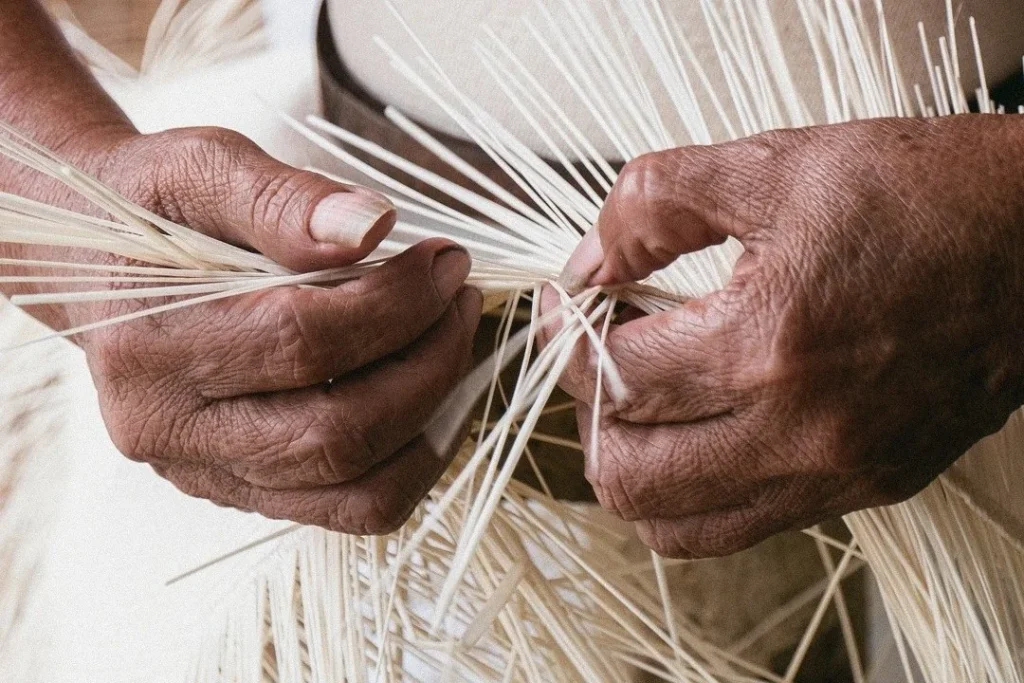
Montecristi and Pile (Manabí, on the coast) are where the finest hats come from. UNESCO singles out the weavers of Pile, a small coastal community, for extra-fine hats that need specific climate conditions and an exact number of points in every row. In 2012, Ecuador’s intellectual property office (SENADI) granted Montecristi a denomination of origin for its fine hat, El Comercio reported.
One specialist retailer puts it simply: the finest Cuenca hats cost roughly half what the finest Montecristis do, and if someone offers you a “Montecristi” at a basic Cuenca price, treat it as a red flag, not a bargain.
What “grade” really means
Here’s the uncomfortable truth: there’s no single official grading system in Ecuador. Some sellers count weaves per square inch, some count the rings on the crown, and some use their own scale. In Pile, weavers talk in grados. El Comercio explained that a grade 54 hat has 54 points of straw per linear inch and takes a master weaver more than six months. At the very top, a reported “ultrafino” of 65 grados was something only three artisans in Pile could weave, according to El Comercio in December 2024.
So ignore grand labels like “superfino” on their own. Ask how the grade was measured and who wove the hat.
What a real hat costs (ranges, not promises)
Prices depend on fineness, size, shape and where you buy. As a rough guide, checked on 26 November 2026:
- Everyday Cuenca hats: the “Clásicos” listed in the official online shop of one of Cuenca’s best-known factories currently range from about USD 43 to USD 146. Market stalls can be cheaper; boutique fedoras can cost more.
- Fine Montecristi / Pile hats: in the hundreds to low thousands of dollars. A fair-trade platform working with Pile weavers lists hats from about USD 700, and El Universo reported fine Pile hats selling to buyers in the US and Europe for more than USD 1,000.
- The collector tier: Montecristi’s mayor told El Comercio in 2024 that the finest hats can sell abroad for up to USD 20,000, while the artisan might receive around USD 4,000.
That last gap is why buying closer to the weaver matters. El Diario reported in August 2025 that the Montecristi tradition is under pressure, with fewer young weavers and fewer toquilla crops.
Where to see it being made
In Cuenca
The Homero Ortega factory-museum, La Magia del Sombrero, is at Av. Gil Ramírez Dávalos 3-86, a short taxi ride from the historic centre. Admission is free, and guided visits run in Spanish and English on weekdays, with Spanish-only visits at weekends. The company’s own site lists slightly different hours on two pages, so check before you go. You’ll see hat bodies being bleached, blocked and pressed, and then walk into a showroom where it’s very hard to leave empty-handed.
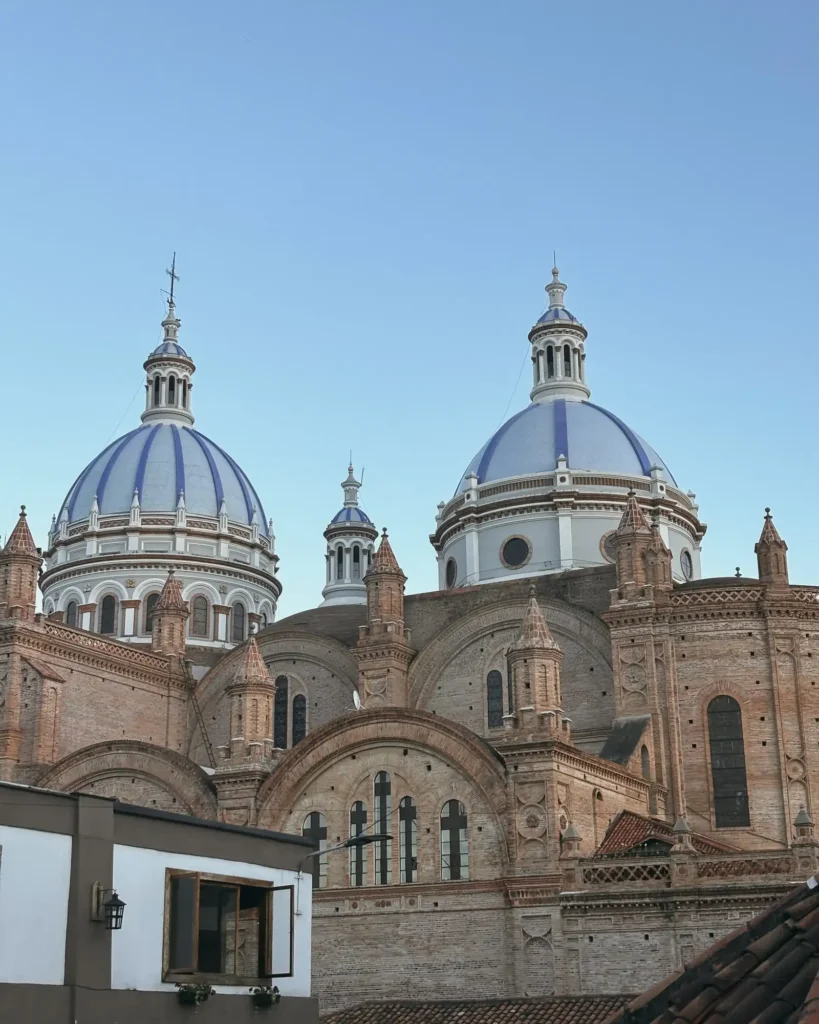
Back in the centre, the stretch of Calle Larga above the river has several long-established hat shops and a small hat museum. It pairs well with a walk if you’re in town for Cuenca’s November fiestas or the run-up to Christmas.
In Montecristi
Montecristi sits inland from Manta, so it’s an easy add-on to a coast trip like the slow coast around Ayampe and Olón. Hat shops line the town centre. The finest work is done in nearby communities like Pile, where some weavers sell directly. If you want a top-grade hat, arrange a visit through a weavers’ association or a fair-trade seller rather than turning up unannounced.
How to spot a fake (or a bad deal)
- It isn’t toquilla. Paper, synthetic raffia and other straws are sold as “Panama style.” Real toquilla has a soft sheen, feels supple and is woven by hand. Ask what it’s made of.
- Check the crown. A hand-woven hat starts from a small rosette or “button” at the very centre of the crown, with rings spiralling outward. Machine-made hats look different.
- Hold it to the light. On a good hat, the weave is even, with no obvious gaps, lumps or patches of very different fibre width.
- The price doesn’t match the story. A cheap hat sold as an old-master Montecristi is a story, not a hat.
- Ask who wove it, where and how long it took. Serious sellers are proud to tell you. Ask for a receipt that names the type and, for fine hats, the grade and how it was measured.
Wearing it, packing it, keeping it
Lift the hat by the brim, not by pinching the crown, which is where hats crack first. Keep it out of heavy rain, let it dry naturally if it gets damp, and store it on its crown or on a hook rather than squashing it into a bag. For travel, many shops sell a simple hat box; for a fine hat, it’s worth it.
If you’re building a small “made in Ecuador” gift box, a toquilla hat sits beautifully next to a bar of Ecuador’s fine cacao. And if you’re one of the many people thinking about where to retire in Ecuador, Cuenca’s hat culture is part of the city’s charm.
The real luxury
A fine toquilla hat isn’t loud luxury. It’s slow luxury: months of someone’s careful hands, a fibre boiled and smoked by farmers on the coast, a craft UNESCO says is passed down at home from an early age. Buy one well, wear it for years, and you’ll have the right answer ready when someone compliments your “Panama.”
Prices and opening hours were checked on 26 November 2026 (ECT) and can change. Confirm with the shop before you travel.
Sources
- UNESCO Intangible Cultural Heritage, ‘Traditional weaving of the Ecuadorian toquilla straw hat’ (inscribed 2012, 7.COM): coastal palm, boiling, drying, sulfur bleaching over a wood fire; one day to eight months per hat; Pile weavers produce extra-fine hats: https://ich.unesco.org/en/RL/traditional-weaving-of-the-ecuadorian-toquilla-straw-hat-00729
- White House Historical Association, ‘President Roosevelt Passing Through the Canal Zone By Train’ (photo, November 1906): Roosevelt photographed wearing a Panama hat helped make it fashionable; the hat’s origins are in Ecuador: https://www.whitehousehistory.org/photos/fotoware?id=6881AF624333445A+961CC4499B00FE85
- El Comercio (December 2024), ‘Manabí busca que el sombrero fino de paja toquilla tenga certificación de origen’: SENADI denomination of origin for the Montecristi hat (2012); ~300 artisans; ‘ultrafino’ of 65 grados woven by three artisans in Pile; resale up to USD 20,000 vs ~USD 4,000 paid to the artisan, per the Montecristi mayor: https://www.elcomercio.com/actualidad/ecuador/manabi-busca-que-el-sombrero-fino-de-paja-toquilla-tenga-certificacion-de-origen/
- El Comercio, ‘Una plataforma pugna por el comercio justo de sombreros’: grade 54 = 54 points of straw per linear inch, 6+ months of work; fair-trade platform prices from USD 700: https://www.elcomercio.com/tendencias/plataforma-comerciojusto-sombreros-pajatoquilla-intercultural/
- El Universo (6 Dec 2023), ‘De Pile salen sombreros finos que clientes de EE. UU. y Europa compran hasta en más de 1.000 dólares’: https://www.eluniverso.com/noticias/ecuador/de-pile-salen-sombreros-finos-que-clientes-de-ee-uu-y-europa-compran-hasta-en-mas-de-1000-dolares-nota/
- El Diario (29 Aug 2025), ‘El futuro del sombrero de Montecristi pende de un hilo’: fewer artisans and toquilla crops: https://www.eldiario.ec/manabi/el-futuro-del-sombrero-de-montecristi-pende-de-un-hilo-ante-la-disminucion-de-artesanos-y-cultivos-29082025/
- Homero Ortega, Museo ‘La Magia del Sombrero’ (official): free admission, guided visits in Spanish and English on weekdays, Av. Gil Ramírez Dávalos 3-86, Cuenca: https://homeroortega.com/museo/
- Homero Ortega online shop, ‘Clásicos’ category (official; checked 26 Nov 2026): listed hats roughly USD 43–146: https://homeroortega.com/product-category/clasicos/
- EcuadorianHands (specialist retailer blog, 2 Sep 2026), ‘Montecristi vs. Cuenca’: no single official grading authority; finest Cuenca hats cost roughly half the finest Montecristi; a ‘Montecristi’ at a basic Cuenca price is a red flag: https://ecuadorianhands.com/es/blog/post/montecristi-vs-cuenca-lo-que-realmente-los-separa.html
- Cover photo: PHOTO: “Stacks of Hats on the Stall Table” BY RALPH / PEXELS (PEXELS LICENSE), EDITED